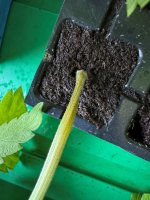
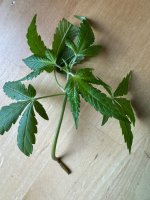
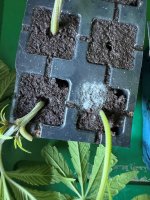
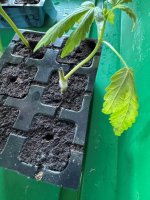
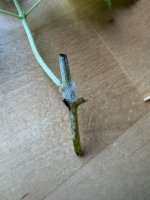
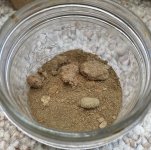
Hey Swifty, sincere condolences bro'. It's a hard blow to take. I can just imagine the frustration and pain of loss, especially after a 20 year run without ever encountering this. That's a pretty good run, by any standard of measurement.
Streptomyces is a fascinating topic, well worth looking into. It falls under probiotic farming with beneficial bacteria; in balance and harmony with natural law. One of those natural laws is referred to as competitive exclusion; also well worth the effort to understand; and to know how to apply it, as part of an effective biological IPM approach. Fusarium gained a foothold due to an imbalance of the microbiology in your grow medium.
There are two ways to deal with such a problem, essentially : antibiotic and probiotic. Probiotic is preventative but also remedial, able to restore the balance required for a healthy ecosystem. EM-1, for example, is an example of a probiotic blend of effective microbes (i.e. beneficial bacteria) that can remedy the situation, at the correct rate of application. Its effects are dose dependent.
Trichoderma would have also prevented the problem, by way of the competetive exclusion principle.
Some helpful educational resource material:
1.) Probiotics for the SOIL?
2.) Beneficial Bacteria: Restoring Nature’s Balance, NobleBio || Cortical Studios
3.) CLOSTAT - Probiotics - Kemin || Cortical Studios
4.) CLOSTAT & Competitive Exclusion - Probiotics - Kemin || Cortical Studios
NOTE: The above is a short clip from the video in the third slot.
5.) What is competitive exclusion? | Southland Organics
https://www.southlandorganics.com/blogs/news/what-is-competitive-exclusion
The law of competitive exclusion is one of the MOST important lessons in organic gardening and probiotic regenerative farming. It is indeed a proven and well established "natural law".
FF




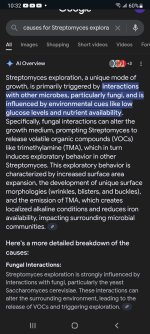
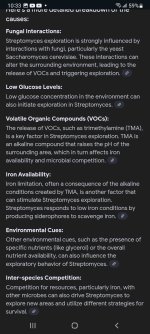

 ), long central cola, medium branches, fine sativa leaves and three branches for every node from the bottom branches through into the top cola. Thinner inflorences like my taller SSH.