Uncle Jack
Well-known member
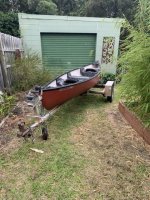
The new fishing rig.....


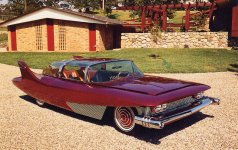
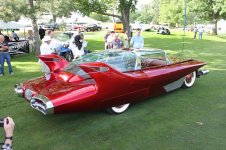
...an exotic vehicle that is overdone in every detail and in every respect, an iconic dream car. Its metallic red paint was from 30 coats of paint with real ground diamonds for sparkle. ...The body is from hand-fashioned soft aluminum. There are hidden headlights and tail lights that swivel as the car turns. Inside, the seats each have their own ash tray, cigarette lighter, and radio speaker. On the dash are oversized levers that control the air conditioning, heater and defroster.
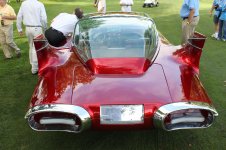
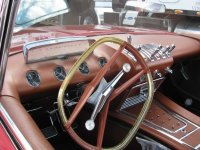
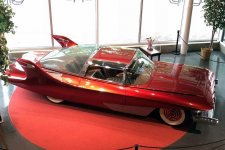
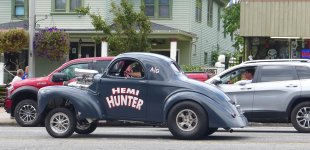
It looks like it should have lowrider-style hydraulics.Looking for Trouble. Lake George, NY (Panasonic DMC-LX7 17.7mm f/2.8 1/320sec ISO 80)
View attachment 86112
It looks like it should have lowrider-style hydraulics.
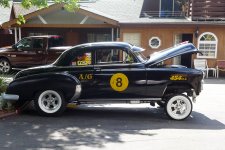

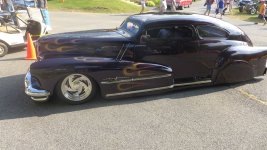
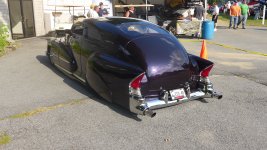
Thank you for that exhaustive elucidation.If you like low-riders, here is one bad-ass, chop-topped, customized 1946 Pontiac Silver Streak V8.
View attachment 86119
How many bodies can you fit in THAT trunk?! lol
View attachment 86120
Longball

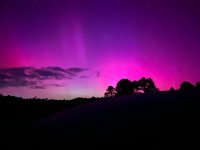
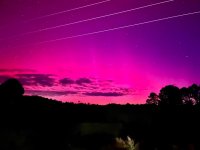
Couple of photos of the southern lights from my place last night
View attachment 86010View attachment 86011

Power lines actuallyBeautiful colours, except for those damn chem-trails, which are serious bad news, imho.
Power lines actually
Old rural kiwi lines. It’s just my phone in night mode and a 10 sec exposure (not sure if that’s the right word) so it’s just picking up the light reflection from around the house, no glow.Thanks for the clarification. I've never seen power lines like that, at least not that I recognized. Had to expand your photo for a closer look, but after doing that, I could see better. Those look like they glow in the ddark. Interesting!
It was an amazing couple of nights Mu! and to boot the phones weren’t working that well from it all too so no phone calls/service all day I loved it! I saw a video from a plane landing in Christchurch the South Island and it looked incredible! The colours were all moving and ranged from blues greens through to reds and purples. It was a very rare occurrence where I live and I’ll probably never see that again so I’m very happy I did! Definitely blessed.Ha, I didn't even notice. I was entranced by the pinks, reds and corals, the lilacs and purples. And the stars in the background. I'll bet it looked pretty cool in person. We are blessed.
mu