NFT hydroponics questions (and answers)

  • Thread starter Thread starter cola bro
  • Start date Start date
C

cola bro

Guest
Hi Guys and Dolls...

Great times ahead...nft...ie tables and pumps...not flood and drain

A thread for...

Questions...and Answers

What is RO water and why should I always without fail use it?

Ro water is filtered water, filtered through a Reverse Osmosis filter, thus RO
Because your growing medium is water, that water must be of as high a quality (without impurities such as chloride) as is possible...this will drastically increase yield

Why should I use a water heater?

Roots like it best to be kept warm (ie 20-24 celsius), a drop in temps ie overnight, will result in a drop in yield

why should I use a good bubbler? ie a standalone good quality one

Aerating the water (like in a fish tank) stops stagnation and increases the quality of the water and thus the yield

Why should I prepare the anchoring medium? ie rockwool/pellets/other

The medium you are going to use will almost definetly not have the correct PH and will probably contain impurities...wash and then rewash with PH correct water to remove impurities and stabilize PH to 6 (you can PH the water to check the levels)

I have found using rockwool that the PH needs adjusting at least overnight and preferabley for 24 hrs...

I have found with good genes that one large producer can use up 600watts, having said that, I am constantly told that 600watts is better with 6/8/10 even 12 tats...
 
Dissolved Oxygen is one of the single most important factor's in active hydroponics, a good understanding of this will help with your success in using water as a medium.
peace
BL

ps good to see you CB;)
 
All you need to know to be a successful hydroponicist..:D


Nutrient Temperature, Oxygen and Pythium in Hydroponics

by Dr Lynette Morgan

The hydroponic nutrient solution is not just a mix of fertiliser salts and water, there are a number of organisms and compounds commonly found in our hydroponic systems that we need to be aware of. One of the most important of these is dissolved oxygen which is vital for the health and strength of the root system as well as being necessary for nutrient uptake.

Most growers are familiar with the need to have some form of aeration in their nutrient solution - whether they be in a recirculating or a media based system. In NFT systems, this is often accomplished with the use of an air pump or by allowing the nutrient to fall back into the reservoir thus introducing oxygen. However, the effect of temperature of the solution on the dissolved oxygen levels and on root respiration rates also needs to be taken into account. As the temperature of your nutrient solution increases, the ability of that solution to `hold' dissolved oxygen decreases. For example, the oxygen content of a fully aerated solution at 10C (50 F) is about 13ppm, but as the solution warms up to 20 C (68 F) the ability of the liquid to `hold' oxygen drops to 9 - 10ppm, by the time the solution has reached 30 C (86 F), then it's only 7ppm.

While this may not seem like a huge drop in the amount of dissolved oxygen, we have to remember that as the temperature of the root system warms, the rate of respiration of the root tissue also increases and more oxygen is required by the plant. For example, the respiration rate of the roots will double for each 10C rise in temperature up to 30C (86 F). So the situation can develop where the solution temperature increases from 20 - 30C (68 - 86 F) during the day, with a mature crop and a large root system, then the requirement for oxygen will double while the oxygen carrying capacity of the solution will drop by over 25%. This means that the dissolved oxygen in solution will be much more rapidly depleted and the plants can suffer from oxygen starvation for a period of time.

The symptoms of oxygen starvation which can occur in both NFT and media based systems can be difficult to pick up as they are very general signs. Media based plants are just as prone to oxygen starvation in hydroponic systems as those grown in solution culture, but here we must also take into account the `air filled porosity' of the media used. This is simply how much air can permeate between the particles in the substrate and selection of a free draining media which won't break down will ensure that maximum aeration is going to reach the root zone. Injury from low (or no) oxygen in the root zone can take several forms and these will differ in severity between species. Often the first sign of inadequate oxygen supply to the roots is wilting of the plant during the warmest part of the day when temperature and light levels are highest. Insufficient oxygen reduces the permeability of roots to water and there will be the accumulation of toxins, thus both water and minerals cannot be absorbed in sufficient quantities to support plant growth particularly under stress conditions. This wilting is accompanied by slower rates of photosynthesis and carbohydrate transfer, so that over time, plant growth is reduced and yields will be affected. If oxygen starvation continues, mineral deficiencies will begin to show, roots will die back and plants will become stunted. Under continuing anaerobic conditions, plants produce a stress hormone - ethylene which accumulates in the roots and causes collapse of the root cells. Once root deterioratation caused by anaerobic conditions has begun, opportunist pathogens such as Pythium can easily take hold and rapidly destroy the plant.

Another more visible and longer term effect of oxygen starvation which also occurs in waterlogged crops is leaf `epinasty'. Epinasty is a downward curvature of the plant leaves, resulting in plants which look wilted. If the oxygen starvation continues and is severe, then eventually leaf chlorosis yellowing, premature leaf and flower abscission will occur.

There are a number of things we can do to make sure our nutrient solution is carrying sufficient dissolved oxygen, and this is important when we consider that many of the root diseases encountered in hydroponics have occurred because the root system was damaged in some way, with anaerobic conditions being a major factor in many situations. The first most important factor to remember with oxygen is that the best way to introduce this gas into the nutrient is to have the solution fall back into the reservoir, and the greater the drop height, the better the aeration effect. Breaking the flow up into a fine shower also assists by introducing more air bubbles into the tank. Secondly, while nutrient EC does reduce the oxygen carrying capacity of the solution, the effect is very small and temperature has a much greater influence on oxygenation. Reducing excessive solution temperatures will ensure more oxygen can be held by the solution and the rate of respiration by the roots will be kept down to optimal levels. Thirdly factors such as nutrient flow rate, channel width, length and slope have a large effect on oxygen levels- faster flow rates, greater slopes and shorter channel lengths all assist with prevention of oxygen starvation.

Perhaps one of the commonest problems in hydroponic systems is the Pythium pathogen and what many growers don't realise is that Pythium being an `opportunist' fungi, often takes advantage of plants which have been stressed by a combination of high temperatures and oxygen starvation in the root zone. Pythium is usually described as a `secondary infection' meaning that the Pythium spores which are actually common in just about all hydroponic systems, don't actually attack the plant until it has been damaged in some way. Even very clean hydroponic systems and grow rooms which are isolated from the outdoor environment will have some Pythium present as these fungal spores are naturally present everywhere on a world wide scale - in the water, soil, vegetation, carried in the air and in dust, so its difficult to eliminate the source of this disease. However, one way we can reduce the `spore load' is to sterilise any water supply which may be contaminated with high levels of pythium - water from dams, and streams should always be sterilised before use for this reason if Pythium is a problem.

Under the right environmental conditions, virtually every plant species is vulnerable to Pythium, which not only causes `damping off' of seedlings but causes root and stem rot of older plants. Symptoms of Pythium on older plants are a wet rot, root systems will be browned, roots hollow and collapsed. Plants may appear to grow poorly, and wilt for no apparent reason - indicating that an examination of the root system is called for. Pythium has an optimum temperature range for infection of plants, this is generally between 20 - 30C (68 - 86 F), although infection can occur outside this range when damaged plant tissue is available for rapid colonisation by the pathogen. Low concentrations of Pythium that may not cause problems at lower temperatures will be disastrous at higher temperatures, particularly where the warmer conditions are associated with a lack of oxygen in the root zone and plant stress.

The best preventative measure against Pythium attack is a healthy, rapidly growing plant as this is an opportunist pathogen and will enter at the site of tissue injury or if the plants are overly succulent, weakened or stressed for some reason. Often root damage during the seedling stage as plants are introduced to the hydroponic system is a danger time for Pythium infection. Pythium is of greatest threat during the seed germination and seedling development stage when plants are most vulnerable to attack, and adequate control and elimination of the pathogen during this stage is the best preventative measure of Pythium control in hydroponic systems. Strong healthy plants will develop resistance to Pythium attack during the seedling stage and this will prevent problems at a later stage of growth.

Other preventative measures include the use of a well drained media, thorough disinfection of all equipment between crops (a strong hypochlorite solution - bleach is the most effective), and control of pathogens during the seedling stages with a suitable fungicide, long before they are introducing into your hydroponic system. Occasionally a very high spore load, combined with excessive temperature will result in Pythium attacking even healthy plants, if this is the case, it is likely that there is an active source of spore production present, and the system must be shut down and disinfected. Some growers have found the use of wetting agents and chlorination of the nutrient solution beneficial in limiting the damage caused by Pythium, however extreme care needs to be taken when using products such as calcium hypochlorite as to much active chlorine will kill sensitive plants. UV light, hydrogen peroxide and ozone have also been used to kill Pythium spores in the solution, however these can have major effects on some of the nutrient elements in solution and careful consideration should be given before using these methods. Sterilisation of the water supply with these methods, before nutrient are added however, is effective at reducing or eliminating Pythium from the original water supply.

Therefore by ensuring your plants are healthy and stress free, you will not only get the highest growth rates possible, but also prevent problems such as Pythium infection occurring. The variables to remember with regard to the nutrient solution is that aeration is vital to maintain the dissolved oxygen levels, temperatures should be keep within an optimum range, and Pythium is always present, but a healthy plant is the best measure of protection against a disease outbreak. About the oxygen requirement of plants when in flower...its not always the case that plants require more oxygen because they are in flower, a plants oxygen requirement is linked to the size of the root system, temperature and nutrient uptake rates, rather than the presence of flowering. So since plants such as tomatoes tend to have a rapidly developing root system at the time of flowering, its important to maintain adequate oxygen levels. With tomatoes the requirement of oxygen in the root zone increases gradually up until the time of maximum fruit load and rapid fruit expansion, where the high rates of nutrient uptake increase the oxygen requirement quite dramatically. On the other hand, if oxygen is deficient during flowering, then the flowers and subsequent fruit may drop off as a result, or they may be undersized and may fail to pollinate.


She rocks..... My ideal woman...:D
peace
BL
 
A little more from my ideal woman...:o


Hydroponic Humates by Dr. Lynette Morgan (Humic & Fulvic Acid)


There is a range of minerals, compounds and organic based substances found in soils which we don't often think of as being part of a 'soilless system'. Since plants evolved in soil, they developed the ability to make use of a number of substances which, while not essential for crop growth, have the ability to enhance it and increase yields. Minerals such as silica, nickel, cobalt and selenium fall into this category - while not essential for plant growth they have the ability to enhance growth and development in soilless systems. Many of these trace elements are required in such tiny quantities that they often find their way into hydroponic systems as 'contaminates' in the water supply, as dust, or in the fertiliser salts we add. However, other soil-based substances are amounts, and therefore don't find their way naturally into most hydroponic systems. One example of this are the humic and humic-derived acids which occur widely in mineral soils, peats and some natural waters. Humic acids are water soluble organic acids derived from organic matter which has decomposed fully, though not all organic humus contains useful humic acids.

All humic acids contain carbon, hydrogen, oxygen and nitrogen with small amounts of sulfur and phosphorus, and are from a large family of organic compounds which have similar characteristics. They are categorised more on the process by which they are extracted and isolated rather than by their chemical structure. The organic matter in soil is divided into that which is undecomposed matter and that which is fully decomposed, and termed 'humus'. This humus can be further divided into soluble humic acids and insoluble 'humin'. The soluble humic acids have three major divisions 'humic acid', 'ulmic acid' (also called hymatomelanic acid) and 'fulvic acid'. Fulvic acid is a short chain molecule which is yellow in colour and soluble. In horticulture it is the humic, and particularly the fulvic acids which are most reactive and effective in stimulating plant growth.

What do Humates do?

The beneficial effect of adding the correct humic substance on plant growth has been known for a number of decades, but specific effects in hydroponic systems are still being investigated. It is known that application of humic substances to soils low in organic matter or in nutrient solutions have produced very significant responses (Rautham and Schnitzer, 1981). Humic compounds can be absorbed by the plant roots and transported to the shoots, thus enhancing the growth of the whole plant.

In the early 1970s the effect of humic preparations on root formation in cuttings was examined and this revealed that humic and fulvic acid possess properties that are extremely beneficial to initiation and growth of roots on geranium cuttings. Early on, it was shown that root formation of bean seedlings was stimulated and maximised by applications of fulvic acid solutions. In fact, one of the most widely accepted affects of humic acid application on root systems is the promotion of root development. In hydroponic tomato plants, humic acid application resulted in higher root fresh and dry weights and higher levels of certain mineral elements in the shoots and roots (iron content was especially pronounced) than those plants grown in solutions with no humic acid addition. This same effect has been found in crops of hydroponic wheat, cucumber and tobacco. A 500% increase in root length in wheat has been reported, along with an increase in lateral and secondary root length in tobacco plants. Humic acid as a seed treatment or substrate drench has been proven to be effective in increasing root weight in cucumber, squash, geranium, marigold and carrot. In a hydroponically grown cucumber crop, not only was root growth increased, but the uptake of nutrient elements (N, P, K, Cu, Fe and Zn) was increased and the number of flowers formed was also found to be greater in the humic acid (fulvic acid) treatment. Supplying hydroponically grown sugar beet plants with humic acid in the nutrient solution increased yields of above ground parts and roots by up to 117 and 22% respectively and also increased the Nitrogen, Calcium, iron and manganese contents of the foliage.

Humic acids as natural chelates

Many of the trace elements we use in horticulture are not very soluble at the pH ranges the crops are grown at. For this reason they are prone to becoming 'unavailable' for plant growth, despite being applied in an inorganic fertiliser form. For this reason, in hydroponics we supply trace elements such as iron in a chelated form using a synthetic chelation agent such as EDTA. Chelation occurs when certain large molecules form multiple bonds with the micro element - this protects the micro nutrient from reaction with other ions in solution. Humic acids have this important ability to be chelating agents - they are in fact excellent in this role as they are strong enough to protect the micronutrient, but weak enough to release the micro element to the plant when required. Fulvic acid is particularly good for this role of natural chelation as it has the ability to enter the plant and move throughout its tissue. In organic production systems where synthetic chelation agents such as EDTA cannot be used, addition of humic acid appears to be the ideal way of ensuring micro nutrients remain available to the plant through a more natural form of chelation.

Experimental Results - use of Fulvic Acid in Organic Hydroponics

There is considerable interest these days in organic hydroponic systems using naturally derived nutrients. While this system is certainly achievable, the nutrients which must be used for the system to be considered 'organic' often require processing by micro organisms before plants can take these up and therefore lack the synthetic chelating agents we commonly use in traditional hydroponic systems. Humic acids have been proven in previous studies to promote the conversion of a number of elements into a form available to plants and more importantly, acts as a natural chelation agent of many nutrient ions. For this reason, Fulvic acid, a water soluble derivative of humic acid, was used as an addition to a liquid organic nutrient to determine its effect on hydroponic crop yields.

In this trial, dwarf green bean seeds were sown into coconut fibre media contained in 12 litre plastic pots. The crop was supplied with an organic nutrient solution at a CF of 25 (EC of 2.5) and a pH of 7.6, to the point of 10% run off, once per day. The coconut fibre media held sufficient moisture for irrigation to only be applied once per day. Organic nutrient application once every 24 hours also assists with the microbial activity in the media which is required for nutrient conversion. Water was used to slightly flush the media once every eight days to prevent excessive salt build up. 20 mls of Fulvic Acid ('Diamond Nectar' from General Hydroponics - USA) per litre of nutrient was applied at each irrigation from the time of emergence of the second true leaf until crop harvest. The crop was grown under standard greenhouse conditions through the summer period and harvested after 12 weeks of growth. A total of 360 plants were grown in randomised blocks.

Results

At the time of harvest, both bean weight and the weight of the plant tops (stems and leaves) was determined. The fulvic acid treatment results in a 36% increase in bean weight at harvest and a 36.5% increase in the above ground portion of the plants. This represents an overall increase in plant growth as well as in harvestable yield. The plants treated with fulvic acid flowered on average four days ahead of the control plots.

Conclusion

There are a number of ways in which the addition of fulvic acid to an organic based nutrient could enhance nutrient uptake and plant growth. The organic nutrient used was not 'fully mineralised' and would have required a certain degree of mineral conversion in the media before many of the nutrients became available for crop growth. Humic acids are known to not only promote microbial growth and development, but to also assist with the conversions of a number of elements into the plant available form, they also participate in the decomposition of rocks and minerals in the soil - so their effect on breaking down organic and inorganic substances is likely to be important in this experiment. The role of fulvic acid as a natural chelation agents is also likely to be vital in this type of system where no synthetic chelates can be added. Iron in particular, we would usually supply as a chelated compound, in this system, fulvic acid chelation of micro nutrients such as iron and manganese may be assisting with the availability of these minerals which are naturally low in many organic nutrient sources.

Apart from the effects on the nutrient and uptake of minerals, the addition of fulvic acid is also likely to have had a stimulatory effect on plant growth - as this has been proven in systems using inorganic nutrient sources. Humic and fulvic acids have been widely proven to increase the rate of development and length of root systems and to accelerate cell division - this effect would also have been contributing to the increase in foliage and bean yield obtained from this trial.

While the addition of humic and fulvic acids to both soil and soilless systems has in the past proved to be beneficial to crop growth and development , it also appears to have considerable advantages to 'organic hydroponic' systems where a complex range of micro organisms, organic compounds and substances need to co-exist for the system to be successful.

inspiring
peace
BL
 
:)

thanx BL
interesting and informative, especially on temps and aeration...I would suggest 20celsius reading those pieces...

Anyone got this babes number...I wanna date! shes good (does she grow good ganja though)...

in terms of nutes...reading that just suggests to use a complete range of good nutes inc humic acid etc...

I just have to quickly say...I can smell the mrnice SHIT plant i have drying upstairs from downstairs and it stinks...STINKS...BIGTIME...lol

my man suggests Aeroponics with misters...could be good...any ideas? (Im sticking with nft for now)...he goes on about a magical six inche drop that the plant needs?

mushy peas

cola
 
yeah as growers we find ourselves in a catch 22 situation, the roots like warm the DO likes cold... as a compromise I and others work at 19c. as this hold good amounts of DO, is just warm enough for root transpiration, and is just outside pythium's Ideal range...
Not sure if she grows ganja, but imagine the veggies she can put on the table, "the way to a mans heart is through his stomach" don't they say Hey? I've found a quicker way to my heart;)
RE aero.. works great, Ideal for smaller plants "SOG", misters (high pressure) is the way if you have the capabilities or cash!!!
Or Sprinklers/sprickloponics (low pressure) are a GOOD cheap alternative, works much the same as NFT though, a thin layer of water running off your roots = loads of highly oxygenated water and a good rinsing effect taking away the waste from your roots (roots are two way, good stuff in, bad stuff out).
We really should get educated on DO though, and the methods of how DO gets into our water.. And also the use of Water as a medium. Other mediums are not environmentally friendly, as they have to "travel to us" and therefore leave a carbon footprint on their way...
I'm trying to sell something here......LOL
peace
BL
 
in terms of nutes...reading that just suggests to use a complete range of good nutes inc humic acid etc...
I'm not endorsing any particular product but canna nutes are cheap, reliable and contain Humic and Fulvic acids...
Advanced Nutrients "the best nutes in the world or your money back" (yeah right) SELL, Humic and Fulvic separately....
When your DO levels are high enough (at a point known as "Saturatiuon or Equilibrium" I find the need for no extra additives.. Just Canna Aqua A+B....
peace
BL
 
A little more from the hydro goddess
Here she explains the methods of achieving success in rockwool, a method I strongly endorse....
this article pertains to tomatoes, but if you ignore the "steering" element, then the rest will be fine for short season cannabis... I'm interested to see if "steering" would be of any use in longer flowering varieties????? I doubt it though.... Is there a member with such experience??? mmmmm....


Developing Irrigation Strategies for Maximum Productivity
Rockwool is a mainstay of commercial hydroponic growers – and for good reason. It takes up a minimal footprint and, when used correctly, yields like crazy. We asked Dr Lynette Morgan, a world authority on hydroponic vegetable production, to give us some expert advice on growing tomatoes in rockwool. There’s LOTS to be learned here as Dr Morgan takes us through how to develop irrigation strategies for your particular growing environment.

Rockwool, also known as stone wool or mineral wool, is the most widely used substrate for the commercial production of hydroponic tomatoes. It is also a great tool for smaller growers who can benefit just as much from its use in a range of different systems and situations. While rockwool is relatively easy to set up and use, it does require some monitoring and irrigation adjustment to make the best of its ability to hold high levels of moisture and aeration at the same time.

Rockwool originally started as a thermal insulation material in the construction industry: its lightweight but highly aerated nature helps keep heat in buildings, while being easy to handle, cut and install. However, towards the end of the 1960s, trials were carried out in Denmark to test the possibility of using stone wool as a substrate for plants. Things went well and since then rockwool as a growing media has seen some continuing development of the substrate and the tools used to manage it.


Rockwool comes in a range of sizes from propagation cubes to large slabs and even a granulated product.
Rockwool is manufactured by melting basaltic rock and spinning this molten mix into thin fibers which are then cooled by a stream of air. Although rockwool is a man-made substrate it is essentially made from rock and considered by many to be a natural product. Grodan dominates the rockwool market world-wide and is the most common brand used by large and small hydroponic growers alike. Grodan rockwool is highly advanced and is not a single product – growers can select from a number of different Grodan rockwool types such as `Grotop Master,’ `Grotop Master dry,’ and `Grotop Expert,’ all of which have slightly different properties and uses. `Grotop Master Dry,’ for example, maintains a slightly drier root zone and is used by tomato growers to steer crops away from overly vegetative growth. `Grodan Classic’ is used for multi-year use, while `Grotop Expert’ is designed for ultra quick root growth and development. Along with these product differences, rockwool of many brands comes in a huge range of sizes from tiny propagation plugs for seeds to larger cubes for cuttings, mega sized cubes for large plants, a wide range of slab sizes, and as a granulated product as well.

Setting up to grow with rockwool
1. Sit the rockwool down

Whether you are using the standard rockwool growing slabs, large cubes, or even pots of granulated rockwool, basic preparation is important. Slabs and cubes in particular need to be on a flat, even surface as any indentations will cause the material to sink and create pockets of unwanted moisture. Next, realizing that nutrient solution will be draining from holes cut in the slab’s plastic wrapper or from the base of cubes, some consideration for drainage of this solution away from the slab is important. There is no point in having well placed and made drainage holes if the solution can’t be channeled away from the slab and the material ends up sitting in a pool of stagnant waste nutrient. Many small hydroponic systems on the market these days designed for use with rockwool have trays and channels designed to do just this and these are a good choice for inexperienced growers.

2. Settle the rockwool in

Rockwool, whether it is slabs, small propagation blocks, or large growing cubes, needs to be prepared correctly by fully wetting the substrate before use. Some growers like to adjust the pH of their water to 5.5 before wetting up rockwool, but generally for small systems it’s not necessary with good quality brands (unless you have a very `hard’ water supply in which case acidification of the water before making up any nutrients would be a good idea). The rockwool should be fully saturated so that all of the material is wetted and then left to drain. Some growers pour water into the rockwool slab before the drainage holes have been cut to make sure everything has had a good drenching, while others just pour water on or run the irrigation long enough for saturation to take place.

3. Remember the holes

Rockwool slabs need drainage – holes or slits should be cut in the plastic sleeve the material comes in. Several cuts are required along the base of the slab. Granulated rockwool should be placed into containers or pots with plenty of drainage holes in the base.

4. Irrigation programs

The most common way of applying nutrient to rockwool slabs or large blocks is with the use of dippers. A simple drip irrigation system should use a dripper with a capacity of 2 litres/hour, with one dripper per plant. Because a standard rockwool slab may hold four tomato plants, four drippers per slab are required, which also means that if any one dripper becomes clogged, the entire slab will still be getting enough irrigation until the problem is fixed.

Developing an Irrigation Strategy for Rockwool – The Moisture Gradient

Rockwool is the most widely used substrate for hydroponic tomato production.
The irrigation program for any hydroponic plant is vital for successful growth, development and optimal yields. The most common problem experienced by smaller or new growers is over watering, and usually the grower is totally unaware that it is their irrigation program causing problems with plant growth. Flushing vast amounts of nutrient solution through the root zone in a substrate-based system often equates to plant murder – more is not necessarily better when it comes to nutrient application. This type of mistake is easy to make. After all, many new growers get enthused about hydroponics after seeing a well-run NFT or other solution culture system and assume that plants are more than happy to grow and thrive in a flooded root zone environment. However, solution culture and substrate systems are completely different and need to be managed in different ways for the plants to get the optimal root zone conditions they need. In NFT the roots should never be flooded: they sit in a very thin film of nutrient flow (2-3 mm or about 0.1″ deep), hence the roots have moisture at the base of the root system, but many of the other roots are sitting up in the moist air, accessing all the oxygen they need without being submerged. In a rockwool slab the plants are in a similar situation – at the base of the slab there is plentiful moisture, usually at media saturation levels, while in the upper layers of the rockwool slab the roots are in drier conditions and hence have access to plenty of aeration and oxygen for root uptake and respiration. It is this moisture gradient from the top to the bottom of the rockwool material that makes it such a good substrate. At the same time, growers who are not aware of this property can make the mistake of thinking the rockwool is too dry on the surface and over-irrigate their plants despite having plenty of nutrient solution being held deep down in the root system. Rockwool growing media, when being irrigated correctly, should not sit in a pool of nutrient and be completely saturated from top to bottom like a sponge. It is essential that the rockwool is allowed to completely drain so that excess nutrient leaves the slab or cube under the pull of gravity after being applied– in doing so, fresh air is drawn into the top layers of the material, providing fresh oxygenation for the root zone. By allowing the rockwool material to drain freely, over-watering becomes more difficult, although vast amounts of nutrient drainage from the base of rockwool slabs or cubes is not an ideal situation either.

Setting up an Irrigation Program
Obviously the amount of nutrient required is going to depend on factors such as the size of the plant, the growing conditions, light, temperature and, in particular, humidity, which drives plant transpiration and water uptake. So the irrigation program is going to change as the plants develop. Also an irrigation program needs to be developed and adjusted by each grower for their particular system, environment, and set up and this has to be monitored and adjusted as required. Just following guidelines for the amount of nutrient to apply at certain times will eventually lead to over or under-watering, as each plant and situation is different when it comes to nutrient and water requirements.

Commercial hydroponic rockwool growers have some good tools for fine-tuning their irrigation. The Grodan water content meter allows growers to measure the water content, EC and temperature in the rockwool slab root zone using hand-held meters or a continuous monitoring system hooked up to the computerized irrigation program. However, these sorts of high-tech tools are not often used by smaller growers and a successful irrigation strategy can be put together with just observation, some innovation, and a little time.

Remember the Moisture Gradient

Rockwool propagation cubes and slabs are designed to be used together to minimize root disturbance. Excellent moisture holding capacity and good aeration of the root zone are features of rockwool substrates.
Irrigation of rockwool is a little different to other solid substrates because of the way the material is manufactured to have just the right degree of moisture gradient, and because it does give quite a limited root zone for plants that eventually grow fairly large. For this reason, rockwool is best irrigated with short, frequent applications of nutrient, with just enough at each irrigation for the rockwool to reach ‘field capacity’. Field capacity is a term that means the substrate has drained fully but is still holding a good level of moisture for the plant roots to access until the next irrigation. At each irrigation, there should be some drainage from the rockwool material. However, this doesn’t need to be excessive. Even in closed systems where the drainage solution is being collected and reused, it pays not to over-water and not to run the irrigation continuously. Having around 10-15% of the nutrient solution fed to the plants, drain from the slab at each irrigation is considered to be optimal. This amount of drainage of solution flushes fresh nutrient solution right through the slab without too much wastage and usually keeps the EC in the slab fairly stable.

When rockwool is irrigated and allowed to drain naturally, it will then contain 80% nutrient solution, 15% air pore space and 5% rockwool fibers. A typical rockwool tomato growing slab actually holds around four gallons (about 15 liters) of nutrient solution immediately after irrigation, despite the drainage holes allowing free drainage of excess solution. Four gallons is a good reserve of moisture for four plants, so drying down to wilting point could take a long period of time for small plants.

How much solution should be given at each irrigation?
Having a drainage collection tray or channel under each slab allows growers to see how much drainage they are getting after each irrigation (even if this has to be poured off and measured in a jug) and the irrigation program can be increased or decreased to keep this at the 10-15% level. By doing this, the amount of solution to be given at each irrigation can be worked through and adjusted as the plants grow. Keep cutting back the irrigation amount until only 10-15% of the solution volume applied drains from the slab, and then the amount of irrigation has been fully adjusted for.

How often should nutrient be applied?
Rockwool needs small frequent irrigations, particularly under hot or low humidity conditions when the plants are taking up a lot of water. However, the frequency of irrigation can be as low as once per day (or every other day) for small plants under cool conditions, to over 10 times a day for large plants in a hot or dry environment. It can be hard to judge just how much moisture the rockwool material may be holding at any one time to determine when to irrigate. Smaller propagation blocks and even larger cubes can be gently picked up – the weight will soon tell you if the cube is saturated (it will be comparatively heavy and moisture will drip from the wet base), or whether it has dried out considerably, in which case it will feel very light (compare an unused dry cube to one in use). Rockwool is an unusual material in that, even when the slab has lost 50% of its moisture to plant uptake, the plants are still able to very easily keep extracting water until the slab is almost completely dry – so plants in rockwool can’t get water stressed until the rockwool is almost completely dry, by which time the cube or slab has become much lighter in weight. For granulated rockwool in pots or containers, a similar method can be used, either by gently lifting the pot to see what the weight might be (a light pot is a dry pot) or by a light tap or kick: if the pot moves, the rockwool has become quite light and potentially too dry.

Another method to try and gauge the moisture status of the rockwool and how often to irrigate is to carefully remove a small piece of the wrapper plastic and examine the moisture gradient of the slab from top to bottom. Like all growing media, moisture in rockwool can be gauged manually. Lightly touching or pressing the rockwool at the base of the slab will soon determine if there is still a good level of nutrient held in the base of the slab or whether it has become too dry. The top and middle layers of the slab should always appear drier than the base where the reservoir of moisture is naturally held, so only the base of the slab should be checked. Even if the top of the slab appears to be dry, this is not important as the moisture gradient has been designed to give these sorts of root zone conditions – only ensure the base of the slab has sufficient moisture.

This process of working out how much moisture is still in the rockwool material is not something that needs to be done for long. Growers will soon become quite skilled at working out their frequency and amount of irrigation for each stage of plant growth and may only need to do this for their first crop provided growing conditions remain stable. Other times when it might be important to have a quick check of the amount of solution drainage or amount of moisture in the slab is when conditions suddenly change – addition of more grow lamps, sudden changes in temperature or humidity, or rapid growth spurts can all change the irrigation requirements of the plants.

Generally, good brands of rockwool are quite forgiving compared to other substrates – the material is naturally well aerated and doesn’t suffer the compaction issues that some substrates do during the life of the crop. It does hold high levels of moisture, so the chance of drying out is not as severe as it might be with other substrates and being sterile gives young plants, seedlings and cuttings an advantage as well. The irrigation program and water holding capacity of the substrate depends on the fiber density and arrangement, which can differ from brand to brand.

More Advanced Irrigation Practices
With tomatoes and similar crops, growers have the option of using the EC and moisture content of the rockwool slab to help ’steer’ the plants into either more vegetative or ‘generative/reproductive’ growth, depending on what is required. Drying the slab back between irrigations and allowing the EC in the root zone to increase pushes tomato plants into a more generative or reproductive state with less leaf growth and more assimilate being directed into the fruit. A higher level of moisture maintained in the rockwool and a lower EC pushes the plants towards more lush vegetative growth. Skillful growers use these techniques to direct their crop and control leaf, flower and fruit growth at different times, and rockwool is a great substrate for this sort of control via the root zone.

Other Rockwool Tips
EC Levels and Management
Checking the EC in the root zone is important with rockwool just as it is with any media. The EC of the nutrient solution in the growing substrate changes as plants extract different ratios of water and nutrients from the root zone. The EC in the drainage solution coming from the base of the rockwool cubes or slabs is the best indication of the EC the plants are actually experiencing in the root zone. As a general rule, the EC in the drainage solution should be the same as or only slightly higher than that applied to the plants in the feed solution. If the EC is becoming much higher in the drainage than what was fed to the plants, then the EC in the feed solution should be dropped back – this is common under hot growing conditions when the plants might be taking up far more water than nutrients, hence concentrating the nutrient solution.

Rockwool Reuse
Rockwool for tomato crops can be reused – some commercial growers get many successive crops from rockwool slabs by steaming these after the plants have been removed and then replanting. Smaller growers can also do this – a few slabs can be heat treated by pouring hot water through them. Solarization is also possible, as is using chemical disinfectants, although care should be taken to rinse the rockwool well with plenty of water after using these. Commercial Grodan users have the option of the Grodan recycling service, which picks up the used slabs and recycles them into new product. However, smaller growers with just a few slabs of used rockwool can recycle the material by shredding it and reusing it as a growing media, as a component of potting mixes, or by incorporating it into outside soils and gardens.

Real World Rockwool Q&A
Q: What pH should I adjust the nutrient solution to and how do I monitor and adjust accordingly? For instance, keeping the tank pH at 5.8 and the run-off at 6.0 is perfect, but what happens if the pH starts to come back higher or lower than expected? What could / does this mean? And what should be done to correct it? How much should a grower raise or lower the pH of the tank with pH adjusters – when does a situation become ‘too extreme’ to use pH adjusters?

A: There are many factors that affect pH in the nutrient: some are normal like plant uptake and nutrient formulation salts (NH4 in particular), and some are not so good, like root disease. Water plays a big role and can range from very hard to very soft and hence needs to be handled differently depending on what a specific grower is dealing with. Chemicals for pH adjustment are also a huge topic! The nutrient solution pH is usually optimal at around 5.8 – 6.0 for commercial tomatoes; however, for small systems pH in the range of 5.5 – 6.8 is usually fine and having tight control at 5.8 is not necessary. The main problem with pH is with growers who might have a `hard’ water source, which is highly alkaline. In that case, acidifying the water with acid (nitric or phosphoric) before making up any nutrient will give better and longer term control of pH swings (in any growing media). pH should not need to be raised in most situations unless the water supply is very acid: in that case, potassium hydroxide should be used.

Q: I understand that rockwool can be prone to salt build-up if you don’t know what you’re doing like the commercial guys. Most hobby rockwool growers I have talked to flush either one day a week, throughout the whole grow and bloom cycle, or when they dump the res. (They will commonly give their plants 24 hours of either very low nutrient solution (if so, what EC?) or pure water, or even pure water with a product like GH Flora Kleen. What do you think of these flushing techniques? Do you have any better advice?

A: Rockwool is actually one of the better media for preventing salt build up as it tends to be drip irrigated from above and not bottom watered like with ebb and flow. Flushing is another subject that really needs a whole article to cover the theory, practice and problems with it. Flushing with straight water after a plant has been sitting at normal or high EC is not recommended: it causes the plant cells to suddenly take up huge volumes of water (because the osmotic pressure has been dropped in the root zone). This can cause cells to burst and create major physiological problems – splitting of tomato fruit is one common one; many other fruits and vegetables do the same. Even low strength nutrient can do this. Any changes in EC in the root zone should be done slowly (i.e over days), so a gradual dropping back of the EC over a few days should be done rather than flushing with water. Or better still, don’t let EC build up in the first place!

Q: What is the disadvantage of watering rockwool for a minute and getting 50% run-off in a closed system with adequate drainage, as opposed to watering for a minute and getting, say, 15% runoff? If you are only achieving 15% run off, is it not the case that the rockwool is already fully saturated and any additional runoff will just wash out the excess salts more thoroughly? In short, how difficult is it to over-water rockwool? I also can’t see what the problem would be for the plant if more run-off was created unless, of course, you were irrigating for several minutes to achieve this much run off, but even then surely the plant won’t feel any effect having its roots flooded for, say, 10 minutes, then allowed to drain freely?

A: Rockwool is a media which has been specifically designed for commercial growers who aim to have the recommended 10-15% run-off with the slabs spending as little time as possible at saturation levels – when doing this, the structure of the rockwool has been manufactured so that the root zone will remain at the correct moisture status which is why it is recommended. Also, with rockwool systems, the feed nutrient should be applied so that ‘excess salts’ don’t occur and therefore don’t need continual flushing. If the EC is getting high in the drainage solution, drop it back in the feed solution and/or increase the frequency of short irrigations. Rockwool, like any media, can be over-watered if flooded and is best kept below the saturation level for balanced growth.

Q. What’s the scientific explanation behind the influence that irrigation strategies have (or, to be more precise, the levels of moisture in the root zone) on generative / vegetative growth? Is this peculiar to tomatoes or is it applicable to other species?

A. Crop ’steering’ as it’s called is a technique used by commercial growers to manipulate the natural growth pattern of the plant. It’s widely used by skilled growers of tomato crops, but also on capsicum and many other plants as well. It’s quite a complex topic as there are a number of tools a grower can use in a controlled environment to direct the growth of the crop – commercial growers will use a combination of DIFs (day/night temperature differentials), EC, CO2, moisture control in the root zone and directional heating (i.e. directing heat towards the fruit or tops of the plants) to manipulate the growth of the plant. Different techniques force the plant to send the assimilate produced in the leaves into flowers/fruits when required or direct the plant back to some more vegetative growth if that was what was required. Various temperature techniques are sometimes used to keep seedlings or older plants as short and compact as possible (i.e. prevent stem elongation) and to get the plant to hold back on the production of overly large, succulent leaves. Commercial tomato growers use tools such as measurement of stem diameter to determine if their plants are getting overly vegetative or too generative at certain times of the year. The basic scientific explanation of why this works is that when a flowing plant encounters ’stressful’ conditions such a drying back of the root zone, high EC, high light and temperatures, it triggers a response – the plant wants to hurry up and flower, and to set seed to make sure it reproduces before the harsh conditions can kill it. We sometimes see this effect on lettuces which, under high light, temperature and moisture stress, can flower (or bolt) while the plant is still only a seedling and far from maturity. A plant with plenty of moisture under no particular stress is happy to go on producing a lot of large leaves with no hurry to set fruit and seed, which is great for vegetative crops such as lettuce but not so much with fruiting crops like tomatoes and capsicums. The ‘controlled stress’ commercial growers use to direct plants into more generative growth is often via the root zone because with Grodan rockwool very precise control of moisture content in the substrate can be controlled – particularly with the use of the Grodan moisture meter. And in hydroponics, control over EC is also fairly easy and precise. For this reason, Grodan Rockwool has different products for growers who might need to steer their crops towards more generative growth by having a drier root zone. It makes it much easier for the grower to then restrict irrigation and moisture levels in the root zone to steer the plants towards more generative growth and generally the technique is very effective. However, commercial growers use high tech tools likes moisture meters linked to their computerized irrigation program so that the crop is not at risk of being damaged by delaying irrigation to long. Smaller growers can certainly use similar techniques and allow the rockwool to run a little drier between irrigations and keep their nutrient run off to an absolute minimum if their plants are getting a bit too vegetative. Running a lot of nutrient through the rockwool on a frequent basis means the slabs or media are at saturation for much longer, and that favours vegetative growth (although we should also remember a lot of other factors, such as the growing environment, play in a role in the vegetative/generative balance as well).


Hope this is of some help to some one..
peace
BL

 
that's another thing that rocks about aquaculture...you pour your medium down the drain!

if you dilute what comes out of your res and give it to your veggies or water your lawns, you'll have zero waste....:D

peace
BL
 
Oh yeah, bubble stones don't oxygenate nearly as well as circulating the surface of a solution...I am probably going to install a homemade water vortexer in my res that will funtion to "restore" water structure while simultaneously oxygenating, thanks Nevil!!!

this is why we need to discuss DO a little more, there is a common misconception that Cheap aquarium air stones give loads of DO, infact they do little more than stir the solution.. unless the bubbles are generated at quite a depth.. even venturis work best at a depth of 2 feet or more..... smaller bubbles = more surface area = more gas exchange....

peace
BL

 
I have been working on the Vortexes and have an idea... I'll build 2 "towers" from 4" pipe, they will be over 2ft tall.. in the bottom of the first Tower will be a venturi, the bubbles and water from this venturi will rise through 2 ft of water then feed the second tower from the top, where it will feed the opposing vortexes and then run through the WVM (water vortex magnetiser) before falling around 12" back to the res causing masses of aeration and imploded water, I think I'll call it my "twin towers".. Hope that's not too insensitive??

peace
BL
 
Dissolved Oxygen

hey bl hey sensi

do you think by growing some kinda aerating plant in the reservoir you could keep the water alive better? like the stuff in fish tanks...you could use a bibbler and also hand stir once per day...

coke:Dpepsi:eek:
 
A little more from the hydro goddess
Here she explains the methods of achieving success in rockwool, a method I strongly endorse....
this article pertains to tomatoes, but if you ignore the "steering" element, then the rest will be fine for short season cannabis... I'm interested to see if "steering" would be of any use in longer flowering varieties????? I doubt it though.... Is there a member with such experience??? mmmmm....


Hi BL,

Thnx man for posting this very very interesting info!

As a small hobby hydro grower i use the rockwool slabs for growing sativa's (12~13 weeks) and must say this works real fine.
with clones (10cm hight) i give 1 or 2 days veg time and then flip them to get trees from 1 to 1,5 meter.

I totally agree with the hydro goddess on setting up to grow with rockwool.
1. Sit the rockwool down
2. Settle the rockwool in
3. Remember the holes
these 3 points i do the same
4. Irrigation programs
Here i change: giving them feed by hand ( the old school way)
i brew me feeding in a 20L bucket with a small water pump in it.
and every day i give them ones feeding by hand.
for me it works fine because that way can see how much every plant is drinking (eating ;) )
after about 6 weeks i start playing with the nutes (steering i guess?)
i start decreasing the N-nutes from that time till the end.
(and have to decrease the P-K nutes to get same EC.

working also on the water vortexes because imo the better the water the better grows you get. WATER is an important factor for all of us.

Keep up the good work
Peace,
dd
 
:)

its a cookie, isnt it? DO is a bugger...air stones have gottabe good? the run off drop is also good...cant see that stirring the solution would do any harm...also maybe a change of nute solution more frequent;y?

dunno...maybe grover has some ideas...(maybe not)

one thing...I can see that air stones aint THAT good

maybe having less solution (but the same surface area) would help...ie dont use too much solution...the less the better...

one thing I got from our lady is that flushing with ro is not too good because of osmosis...maybe a better way would be to replace (gradually) the solution with RO over the course of 2 or 3 days...and then back up again...a continual flux...up and down...
 
Hey dirk,

after about 6 weeks i start playing with the nutes (steering i guess?)

Steering pertains to crops that grow and flower at the same time (Tomatoes) so would actually need more N not less, What you are doing is essentially giving the plant what it needs when it needs..

I also like to hand feed RW...:)

Hi sensi13,

in a recirculating system constant circulation (stirring) is essential to maintain high levels of DO.. just like in you high school experiments..
Gas transfer happens at the surface of the water, this is where the pressure of oxygen in the atmosphere becomes equal with the pressure of the oxygen in the water, this state is known as equilibrium or saturation.. stirring the water constantly give the body of water an infinite surface area, thus giving way to constant gas exchange...
there are ways of increasing the oxygen content of water past the natural pressure present in the atmosphere, this state would be know as "super saturation".
I'm no expert on the subject, but would like too discuss this further to increase my own knowledge, for now I'm more than happy to share what I have learnt so far.. So all avid researchers, please join in...:D

Hey Cola, how you doing mate?

good, easy, reliable ways to be sure you are doing your best to keep high levels of DO are:
keep your fall back as high as you can..
run a by-pass from the pump back to the res, creating even more of a water-fall effect
try to maintain a lower nute temp (around 19-20c) giving water the natural ability to 'hold' more oxygen
keep up the speed of the water in the channels..

plants in the res would just eat your nutes IMO...:p

as far as air stones go, the CMD's are a better option. they are Ceramic Micro Diffusers. and the bubble size is far smaller than a cheap aquarium air stone.

from heath
For example, decreasing the bubble size from 2.4 mm to 0.4 mm would increase the contact area between the air and water by a factor of five

RE amount of solution, I prefer as much solution as possible in my systems, to act as a buffer for ph and ec fluctuations.. as long as every thing is stirred constantly you should be fine..
as far as RO goes if your tap water is at 0.3ec or less I wouldn't bother, the waste is unnecessary IMO...
lower ec's can be very beneficial also, alot of growers try to 'push' their plants to the limits with ec, I think this is not always the case, between 1.0 and 1.6ec will do for almost all types of cannabis in a high oxygen recirculating system.. Its my view that the plant will take what it needs from the healthy environment.. and giving just enough will provide for a fine plant..

peace
BL
 
Buy A MC320 Oxypump And Stick In Resevoir;)
JKP

P.S NFT Is A Technique Perfected By Dr Alan Cooper And Was The First Hydro Unit Available To The Masses ( Second Was The GH Waterfarm )
These Guys Continue To Build NFT's And Hold The Guiness World Record For The Worlds Longest Tomato Plant (NFT)http://www.nutriculture.com
 

Attachments

  • NFT In Situ- Pressing On.jpg
    NFT In Situ- Pressing On.jpg
    467.2 KB · Views: 1
  • NFT Measure -2 Litres Per Minute- Guage.jpg
    NFT Measure -2 Litres Per Minute- Guage.jpg
    303.3 KB · Views: 2
  • NFT- Powercheese.jpg
    NFT- Powercheese.jpg
    332.9 KB · Views: 2
  • o2xs.jpg
    o2xs.jpg
    32.7 KB · Views: 7
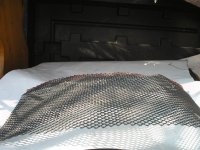
  • Spreader Mat Cover.jpg
    Spreader Mat Cover.jpg
    392.1 KB · Views: 2
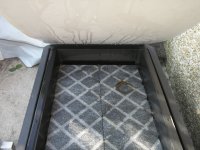
  • Spreader Mat Two.jpg
    Spreader Mat Two.jpg
    394.8 KB · Views: 2
  • biofiltre.jpg
    biofiltre.jpg
    6.5 KB · Views: 3
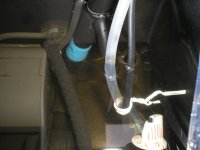
  • Hydor Unbreakable Heater-Filter-Bubble Hose.jpg
    Hydor Unbreakable Heater-Filter-Bubble Hose.jpg
    363.5 KB · Views: 2
Last edited:
Nutrient Film Technique or NF.

heres a little info on it.

http://www.flairform.com/hints/nft.htm

I have used NFT my self and to be honest next to my method i liked it out of all the hydro methods i tried.

The explosive growth you get from ward go with NFT is amazing but expect work the best NFT is flat chaneels dont go with the round ones flat is better as the nutrient film the plants feed off is a lot better in flat chanells to ound ones more erea.

Basicly you dont need air stones as the Nutrient rich water comes down the chanels it falls into the rez like a water fall inriching it with oxygen.

The things you need to watch is the ph it will change daily you will have to tweek it daily from adding only water one day to adding 1/2 or full feeding the next and once a month you need to empty the rez then clean it out and re fill it.

You need to shade the rez if possible to reduce algy growing in the rez.

If your pump fails your screwd the plants will wilt and unless you pick it up and have one to replace it well your grows going to fail.

Also stability of plants can be a probleam why most flower there plants very fast in NFT systems at say 6 to 12 inchs depending on line to limit hight and risk of plants falling by getting to tall and top heavy.

You will also find your roots heading towards the rez and have i had to cut them trim them back.
 
LOL, i was thinking, 'thats some high school you went to dude'... Hehee.

Anyone know about DWC?
Peace
BL


Want Me To Start Up A DWC Thread Billy ( Hi There ) ?;)
Using K.I.S.S And Recycled Bits And Bobs
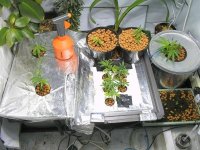
Like This DWC ( Cheese- Bioponic- DWC -2006-7 )
For Sale Signs Rock, Lol ( Take The Ones With SOLD On Them )
Regards
Joe:)
 

Attachments

  • Growing On The Cheap- Reccesion Proof.jpg
    Growing On The Cheap- Reccesion Proof.jpg
    64.7 KB · Views: 6
  • Growing On The Cheap- Recycle101.jpg
    Growing On The Cheap- Recycle101.jpg
    99.2 KB · Views: 6
  • Mother Jugs And Speed - 20 litre - 5 Day Change.jpg
    Mother Jugs And Speed - 20 litre - 5 Day Change.jpg
    75.7 KB · Views: 5
  • Sorry - Thats Five Hydroton pebbles Not Six.jpg
    Sorry - Thats Five Hydroton pebbles Not Six.jpg
    50.4 KB · Views: 5
  • DWC-Why Not-20 litre.jpg
    DWC-Why Not-20 litre.jpg
    468.4 KB · Views: 4
  • Growing On The Cheap A Little While Later.jpg
    Growing On The Cheap A Little While Later.jpg
    224.1 KB · Views: 6
  • Two Cheese- Roots Developing-Cheap DWC.jpg
    Two Cheese- Roots Developing-Cheap DWC.jpg
    85.2 KB · Views: 9
  • TenMinuteTubbler-Bubbles-CheeseRoot.jpg
    TenMinuteTubbler-Bubbles-CheeseRoot.jpg
    191.2 KB · Views: 6
  • DWC - PowerCheese Roots- Apple Reminder.jpg
    DWC - PowerCheese Roots- Apple Reminder.jpg
    615.7 KB · Views: 6
  • DWC-April02-Cheese-Bioponic-Organic-Cheap.jpg
    DWC-April02-Cheese-Bioponic-Organic-Cheap.jpg
    97.6 KB · Views: 3
  • Cheese Avec Flash- April08.jpg
    Cheese Avec Flash- April08.jpg
    151.5 KB · Views: 3
  • HGB Demo-005- Early Cheese.jpg
    HGB Demo-005- Early Cheese.jpg
    109.9 KB · Views: 3
  • HGB Demo- DWC-Finished Cheese.jpg
    HGB Demo- DWC-Finished Cheese.jpg
    97.9 KB · Views: 6
Back
Top